
The application process
This blog will detail more of what was involved in the practical side of becoming a foster carer, for anyone interested in going through the same process. The process of becoming a foster carer was also an emotional one, so I will describe some of my experiences as well.
To provide some context, foster care is providing care for children who cannot live with their primary carers for any number of reasons. At 30 June 2019, of the approximately 44,900 children in out-of-home care, 92% were in home-based care (in a foster or kinship care home), and 67% had been continuously in out-of-home care for 2 years or more. In 2018-19, 170,200 children in Australia received child protection services. 58% of these did not progress past the investigation stage into care and protection orders. 68% of children receiving child protection services in this period had previously been involved in the system. Emotional abuse was the most common type of abuse or neglect substantiated in this period (54%), followed by neglect (21%), physical abuse (15%), and sexual abuse (10%) (Australian Institute of Health and Welfare, 2020).
My current feeling is that while its quite wonderful we have at least some systems in place in this country to protect children from harm, it is a system groaning dangerously under pressure.

As you would like to expect, the process from enquiry about foster caring to being fully qualified was pretty rigorous. In total the application took about 8 months. I think that as well as taking time to assess each individual applicant, this gives time to ascertain – both for the potential carer and the assessors – how sincere the desire is to follow through.
After expressing interest via an email, I received a call and a follow up home visit; just a kind of meet and greet. As I live in a smallish country town in rural Queensland, I happen to already know a few of the foster care support staff as they attend my yoga classes, and I have also worked for the organisation in a different capacity. So, it was all very informal. I got handed a stack of papers to go through, relating to the roles and responsibilities of foster caring, and given dates for the next round of mandatory introductory training.
The training was held over four full days, and was the beginning of sh*^ getting real. We were encouraged to spend a lot of time pondering our “why?” to foster caring (see previous post for my deliberations on this topic!) but then we took a sharp turn into trauma, and the ins and outs of the legal and systemic framework within which foster caring takes place in Queensland, Australia.
Topics covered included:
- The types of abuse and harm that children are exposed to, and reasons children come into care
- Stages of child development and how trauma impacts upon these
- Theories of attachment, attachment styles, and trauma-based attachment styles and responses
- How to respond to a child’s disclosure of abuse and harm
- How to support children with challenging trauma-based behaviours
- Legal requirements of foster carers and kinship carers
- Principles and values underpinning the foster care and kinship care system
Two major ethical concerns had presented themselves to me by this point.
- The current major goal of the foster and kinship system is reunification – that is, the child/ren are returned to their family of origin from where they were removed. Failing that, ideally children are kept with extended family. Reunification involves maintaining contact with family, attending access visits, and allowing parents these visitation rights while they hopefully get the help they need to heal and change. In this place, children are required to have contact with their parents, even though the parent may have been very abusive, including sexually abusive. I don’t feel it is right or loving to expose a child to someone who has harmed them, before true awareness and healing has occurred for the caregivers. The family seems to be honoured above the quality of other potential relationships, and this troubles me (another blog post all in itself!)
- I am vegan, and it was brought to my attention that this might be an issue for families who expect their children to eat a meat diet while in care, or that the children themselves might demand this. My feeling is that a meat diet is detrimental to humans and the planet, and I could not ethically contribute to this damage any more.

By the end of day four, my habit of comparison and self-judgment was kicking in, and I found myself really wondering how a single, childless woman could have what it takes to provide this kind of care. Everyone else seemed to be coupled, or at least having raised their own children, and I was having that familiar gnawing feeling of being less than, or of having no business here. I cried and said I don’t know if I can do this. The facilitator hugged me and I felt embarrassed for having exposed these feelings publicly. But in hindsight this was important part of my deciding to just be as honest as possible throughout the rest of the process – it felt like a relief to speak the truth of how I felt.
The next step was responding to many, many self-reflective questions in written format. The pace here was self-directed. I admit this took a couple of months at least. After hitting up against some feelings and resistance I didn’t want to initially feel, my desire had waned (see previous blog post). However, the questions allowed for a large amount of honesty and transparency, and I was attracted to that. And once I started, I just wrote and wrote for hours. All about my childhood experiences, the major traumatic events in my life, and the quality of my current and past family relationships, and my current lifestyle and support networks. I handed it in with that nice feeling you get when you’re transparent, but also sure that this would be a “red flag” application!
Soon after, however, I received a phone call thanking me for my honest reflections, and to let me know the formal assessment process would be starting soon. I was assigned an assessor, and then began a series of home visits – perhaps four or five – anywhere from 1-3 hours each, over the next couple of months. Basically, I saw these sessions as being a recounting of my life story, full of snot and tissues, with some valid insights and counselling given by my assessor. She wanted to know everything, and I tried to be as much of an open book as possible. I didn’t feel invested in portraying a façade of myself here; I didn’t feel invested in looking good or being the perfect foster parent, because I really felt at this point like I wouldn’t be that great at it, or if it would even happen. There were many things I shared again that I thought for sure would be “red flags” this time, like my poor/limited relationships with family, my past partner relationship patterns, my history of desperation for love and approval, previous drug use, the fact I listen to Divine Truth and believe Jesus and Mary Magdalene are back on the planet… but my assessor literally never skipped a beat.
Once again, I feel this is a testament to honesty. I’ve done a lot to manipulate the truth over the course of my life as I’ve believed it would help me to avoid pain and achieve a better outcome. But whenever I have decided to be more open and transparent and blunt, I allow myself to be known, my relationships deepen, and better things happen in my life in the long run.
On top of the personal reflections and interviews, the assessor ensures you are able to provide a physically safe and nurturing environment for a child. This is really important for me. Having studied early childhood education I have a real interest in creating environments that feel safe and inviting for children. It was an ultimate trip-out to begin converting my house into a home for children, having lived solo for so long, and having become quite selfish in my use of space. However, I loved the process too; it was exciting and rewarding to buy things for others and not just think of myself, and mind-boggling to realise how much stuff you need when you don’t know what age children you will care for! Very different to having a baby and altering the environment to accommodate them over time. I now have a garage full of prams and potties and beds of different shapes and sizes…
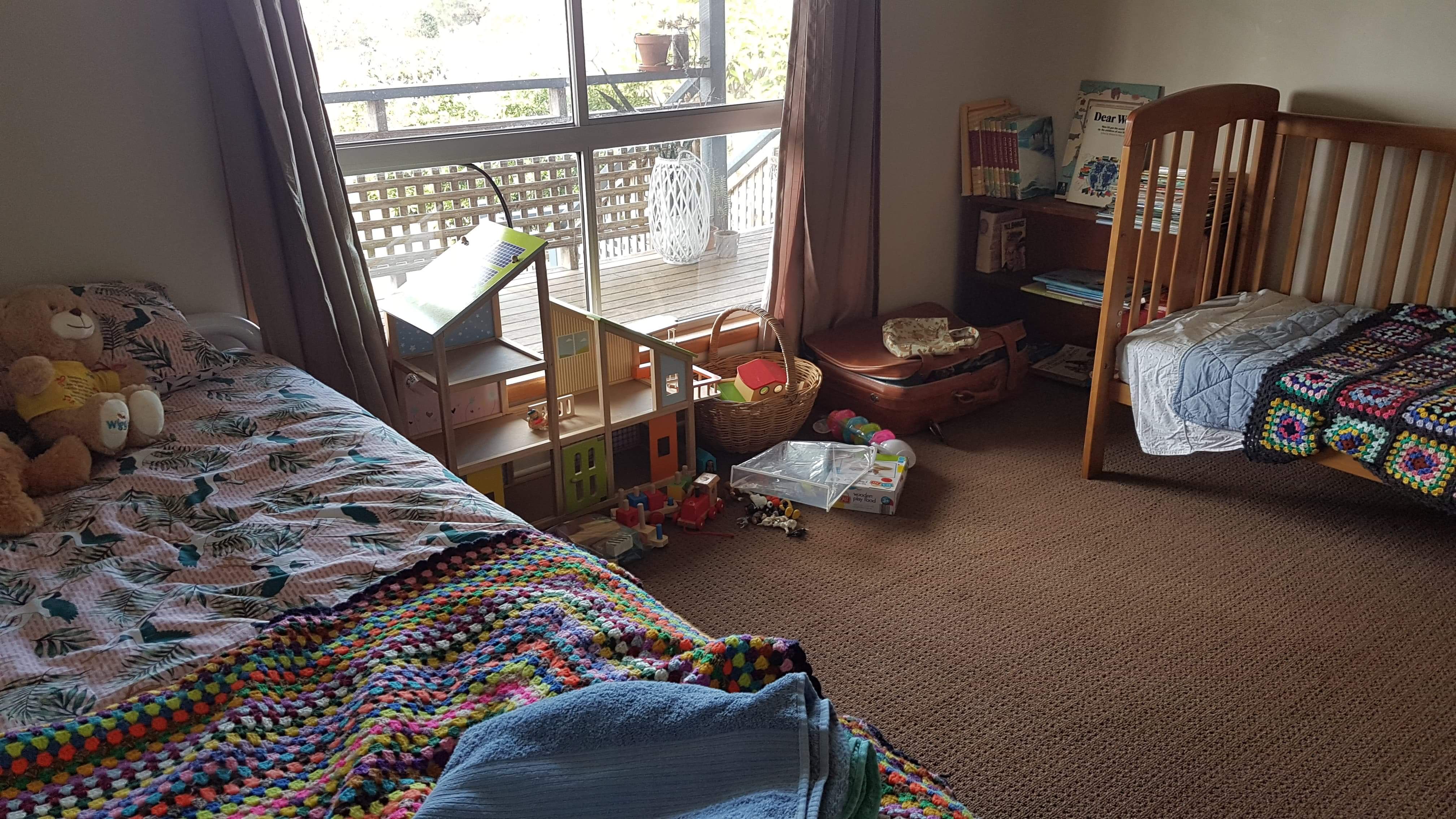

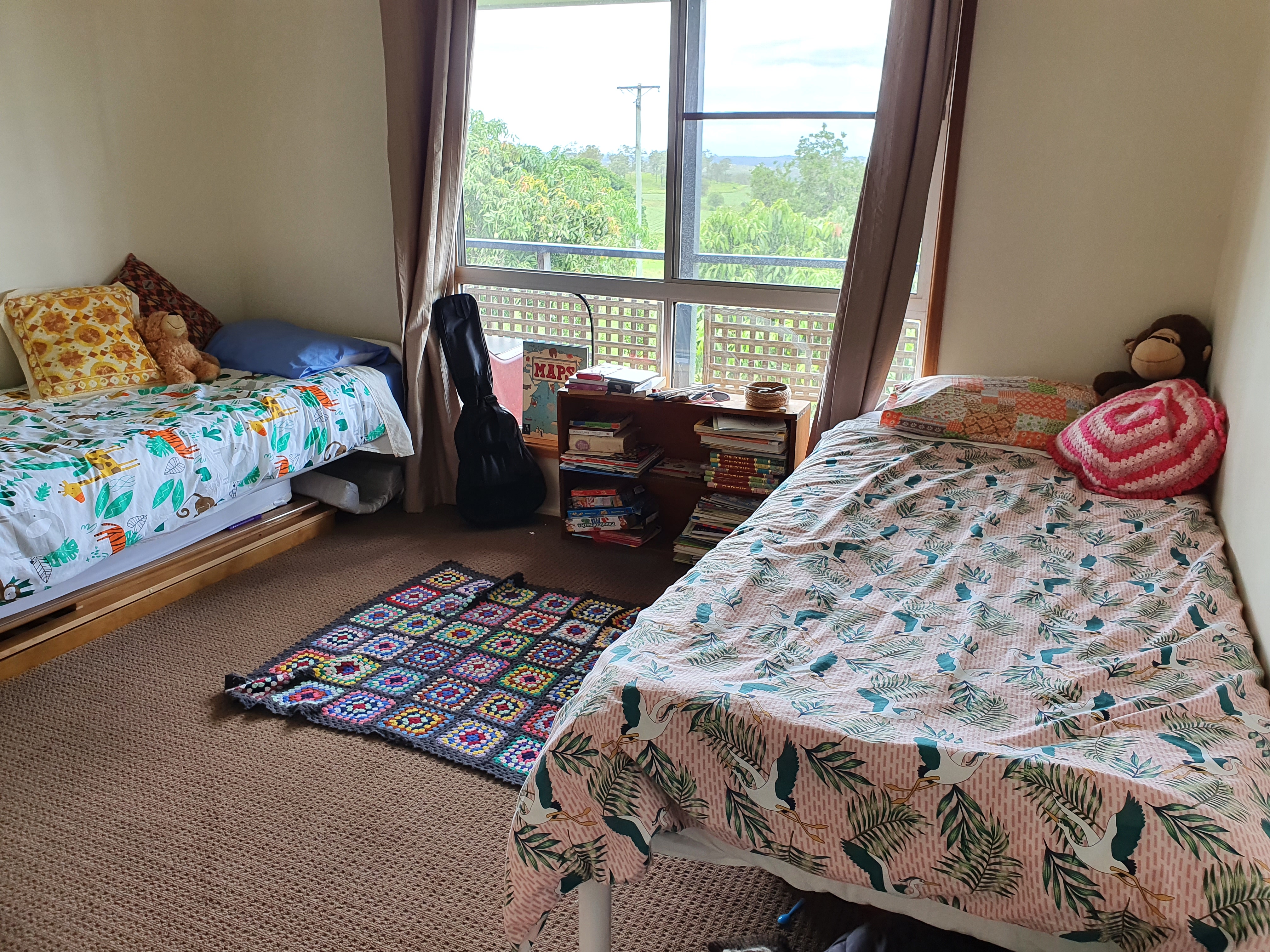

All that said, ultimately the most important ingredient in any environment for a child is Love.
My application was approved in June 2020. And then the real stuff begins….
In the next blog I hope to share how beautiful and awfully hard I found the first few placements of children in my home.
References:
Australian Institute of Health and Welfare (2020) Child Protection Australia 2018-19, https://www.aihw.gov.au/reports/child-protection/child-protection-australia-2018-19/summary, retrieved on 12/01/21



 Learning About Love & Truth
You must be logged in to post a comment.